

Cart
0
Last Updated: October 26, 2026
Quick Summary
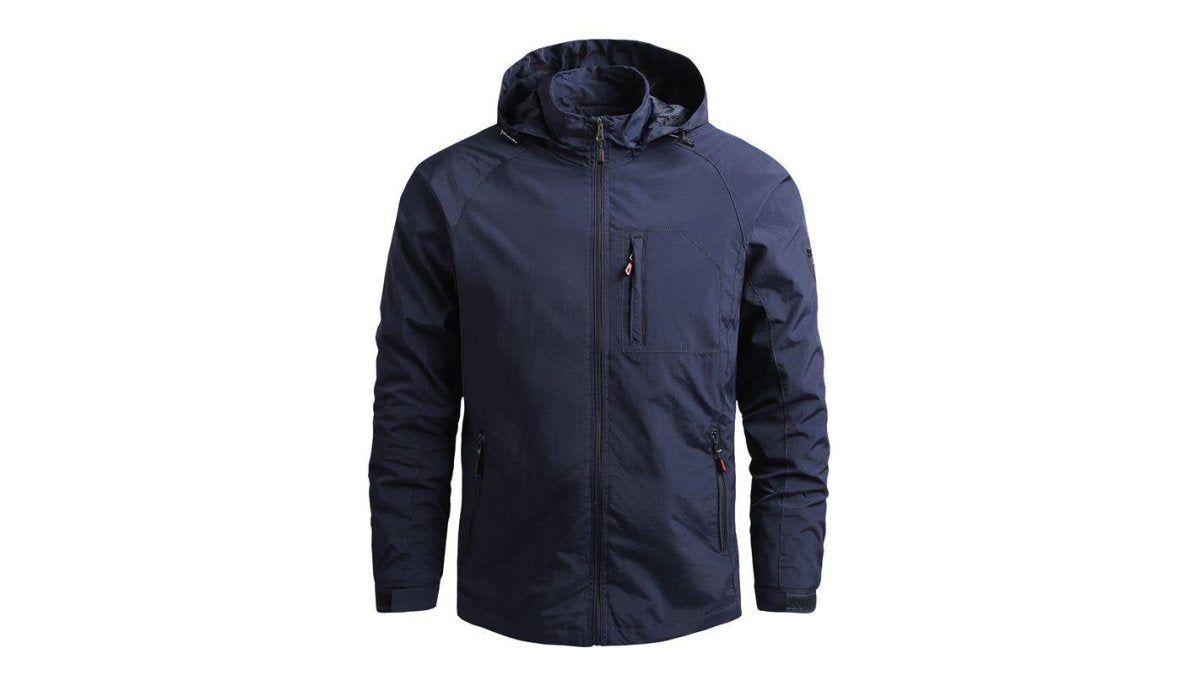
The best waterproof jackets for heavy rain combine a proven waterproof membrane, fully sealed seams and a hood that stays put. Our top pick is the Mountain Hard Shell Waterproof Windproof Outdoor Jacket at $191.71, with the $77.21 Waterproof Hooded Outdoor Coat as the best budget option.
- The Men's Sorrel 3L Shell Jacket at $359.00 is the priciest pick and best for cold, heavy precipitation.
- The Waterproof Mountaineering Jacket Outdoor Hiking Gear offers dependable protection at $110.17.
- A 15,000 to 20,000 mm rating suits heavy, prolonged rain and multi-hour exposure.
- Wash with technical fabric cleaner and tumble dry on low heat to reactivate water repellency.
- Test your hood and cuffs in the shower for five minutes before a wet trip.
Table of Contents
- What to Look for in Waterproof Jackets for Heavy Rain
- Quick Comparison: Best Waterproof Jackets for Heavy Rain
- 1. Mountain Hard Shell Waterproof Windproof Outdoor Jacket: Best Overall
- 2. Waterproof Mountaineering Jacket Outdoor Hiking Gear: Best Value
- 3. Women's Gore Tex Hard Shell Outdoor Mountaineering Jacket: Best for Women
- 4. Men's Sorrel 3L Shell Jacket: Best Heavy-Duty Shell
- 5. Waterproof Hooded Outdoor Coat Jacket: Best Budget Pick
- Rain Jacket Waterproof Ratings: What the Numbers Actually Mean
- Best Rain Jackets for Hiking: Matching the Shell to Your Trip
- How to Re-Waterproof a Rain Jacket and Restore Water Beading
- Frequently Asked Questions
What to Look for in Waterproof Jackets for Heavy Rain
The best waterproof jackets for heavy rain share three traits: a proven waterproof membrane, fully sealed seams, and a hood that actually stays put. At Pinnacle Trail Gear, we judge every shell against those three points first, because everything else is secondary when the sky opens up.
Waterproof jackets are outer shells built to block rain while letting sweat vapor escape. The membrane does the blocking, the durable water repellent finish makes rain bead and roll off, and seam sealing closes the stitch holes that would otherwise leak.
Here is what most buyers get wrong: they shop by brand or price before checking construction. A jacket with taped seams and a storm flap over the main zipper will outperform a pricier shell with exposed seams every time. Below, we break down each pick, explain what waterproof ratings mean, and show how to restore water beading when it fades.
Quick Comparison: Best Waterproof Jackets for Heavy Rain
| Jacket | Price | Best For | Key Strength |
|---|---|---|---|
| Mountain Hard Shell Waterproof Windproof Outdoor Jacket | $191.71 | Best overall | Hard-shell protection with breathable build |
| Waterproof Mountaineering Jacket Outdoor Hiking Gear | $110.17 | Best value | Durable waterproof layer at a mid price |
| Women's Gore Tex Hard Shell Outdoor Mountaineering Jacket | $254.49 | Best for women | Gore Tex hard-shell construction |
| Men's Sorrel 3L Shell Jacket | $359.00 | Best heavy-duty shell | Sealed seams and magnetic storm flap |
| Waterproof Hooded Outdoor Coat Jacket | $77.21 | Best budget pick | Attached hood and low weight |
1. Mountain Hard Shell Waterproof Windproof Outdoor Jacket: Best Overall
Our top pick for prolonged downpours is the Mountain Hard Shell, a hard-shell jacket built to block wind and wet conditions while still breathing during hard effort. The hard-shell construction is the reason it leads this list: it holds up in sustained rain where lighter shells start to wet out.
The breathable design moves air during climbing and hiking, and the lightweight build makes it easy to wear for long days. It suits mountaineering, trekking, camping, and changing mountain weather. One honest limitation: hard shells feel stiffer than soft shells, so it is not the jacket you reach for on a dry, warm day.
Best for: hikers and mountaineers who face real rain and want one dependable outer layer. Skip if: you only need light drizzle protection for short walks.
See the Mountain Hard Shell jacket specs and price

2. Waterproof Mountaineering Jacket Outdoor Hiking Gear: Best Value
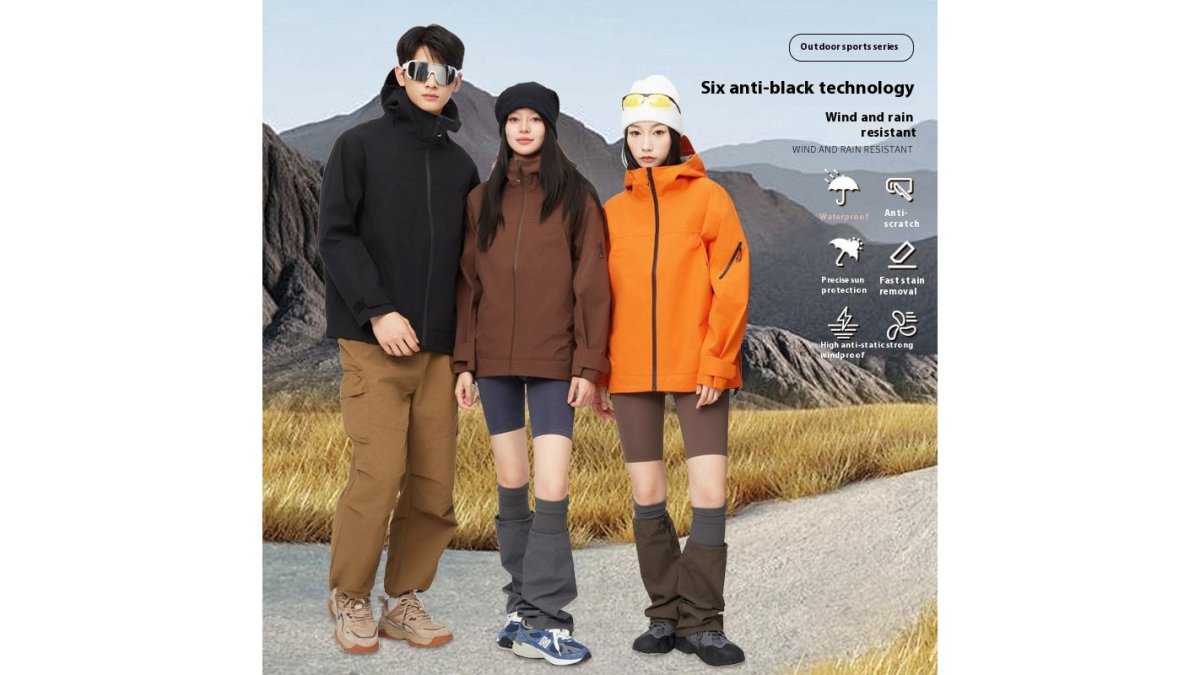
Value does not mean cheap construction. The Waterproof Mountaineering Jacket pairs a waterproof outer layer with durable construction for active outdoor environments, and at $110.17 it sits well below our top pick without cutting the essentials.
The breathable design supports comfort during hiking and climbing, and it layers cleanly under a pack or over a fleece. A common mistake is buying a bargain shell with untaped seams; this one is built for mountain weather rather than a commute. Where it falls short: it lacks the premium fabric feel of the Gore Tex option, and the fit runs toward a standard cut.
Best for: weekend explorers and hikers who want dependable wet-weather protection without overspending. Skip if: you need a women's-specific cut or a ski-ready feature set.
Check details on the Waterproof Mountaineering Jacket

3. Women's Gore Tex Hard Shell Outdoor Mountaineering Jacket: Best for Women
For women who spend long hours in the rain, the Gore Tex Hard Shell is the strongest technical option here. The hard-shell construction provides a protective outer layer, and the windproof and waterproof design shields against changing conditions on exposed terrain.
Gore Tex carries a reputation for balancing waterproof protection with breathability, and this jacket is cut for comfortable movement during active adventures. It handles mountaineering, trekking, camping, and outdoor sports. The trade-off is price at $254.49, and the fit is athletic, so size up if you plan to layer a puffy underneath.
Best for: women heading into sustained rain on alpine trips and multi-day treks. Skip if: your trips are short and mostly fair-weather.
View the Women's Gore Tex Hard Shell jacket
4. Men's Sorrel 3L Shell Jacket: Best Heavy-Duty Shell
When the forecast is genuinely ugly, the Sorrel is the shell we would take. Its three-layer construction and fully sealed seams are built for deep powder and long trails, and the magnetic storm flap keeps cold and driven rain out of the main zipper.
The helmet-compatible hood, powder skirt, wrist gaiters, and articulated sleeves add versatility on and off the slopes. At $359.00 it is the priciest pick on this list, and it is overkill for casual day hikes. For winter hiking, shoveling, and resort riding in wet snow, though, nothing here matches its coverage.
Best for: winter hikers, skiers, and anyone facing heavy precipitation in cold conditions. Skip if: you hike only in summer and want a packable shell.
Inspect the Men's Sorrel 3L Shell Jacket
5. Waterproof Hooded Outdoor Coat Jacket: Best Budget Pick
Budget buyers get a real waterproof shell here, not a water-resistant windbreaker. The Waterproof Hooded Outdoor Coat uses a waterproof outer material with an attached hood for extra coverage from rain and wind, all for $77.21.
Mountain Hard Shell Waterproof Windproof Outdoor Jacket →
The lightweight design moves well during hiking, camping, travel, and commuting, which makes it a sensible second jacket to keep in the car or daypack. What most guides miss is that hood adjustment matters as much as the membrane in heavy rain; check that the hood cinches down before you commit. The main drawback is a simpler feature set than the premium shells.
Best for: casual hikers, commuters, and families buying rain gear on a budget. Skip if: you need abrasion resistance for brushy, technical terrain.
See the Waterproof Hooded Outdoor Coat Jacket

Rain Jacket Waterproof Ratings: What the Numbers Actually Mean
A waterproof rating measures hydrostatic head: the height of a water column a fabric can resist before water pushes through, expressed in millimeters. Labs test it by clamping fabric under a column of water and raising the pressure until droplets appear on the underside. Higher numbers mean more pressure tolerance, but the rating alone does not tell you how a jacket performs in real rain, and it says nothing about the seams, zippers, or hood that decide whether water actually gets in.
Here is how the bands translate to conditions:
- Under 10,000 mm: light rain and urban use; fine for a commute or a short walk, not for hours of downpour.
- 10,000 to 15,000 mm: steady rain and general hiking; adequate for day trips where you can shelter if conditions worsen.
- 15,000 to 20,000 mm: heavy, prolonged rain; the range most three-layer shells target for multi-hour exposure.
- Above 20,000 mm: severe weather and expedition use; more pressure tolerance than most hikers will ever test.
Why the number is only half the story. A 20,000 mm fabric with untaped seams will leak at the shoulders long before the membrane fails. Stitch holes are the most common leak point in heavy rain, which is why fully sealed seams, taped or welded, matter as much as the fabric spec. The same logic applies to the main zipper: a storm flap or a water-resistant zipper keeps driven rain from wicking through the teeth. When you compare jackets, check three things in this order: membrane rating, seam construction, and zipper protection.
How to read a label without getting fooled. Manufacturers quote the highest lab number they can defend, often on a pristine swatch. A jacket rated at 15,000 mm with fully taped seams and a storm flap will outperform a 20,000 mm shell with exposed seams in sustained rain. Look for the words "fully seam-sealed" or "taped seams" rather than "critical seam sealing," which usually means only the shoulders and hood are protected. Breathability ratings (often in g/m²/24h) are measured under different lab conditions and are not directly comparable across brands, so treat them as a rough guide rather than a ranking.
According to REI's guide to waterproof and breathable fabrics, construction details matter as much as the fabric spec. For a deeper technical reference, the Wikipedia entry on waterproof fabric explains membrane types, though we would always check manufacturer specs first.
Key Takeaway
In heavy rain, a mid-rated fabric with fully taped seams and a protected zipper beats a high-rated fabric with exposed stitching. Compare construction before you compare numbers.
Best Rain Jackets for Hiking: Matching the Shell to Your Trip
The best rain jackets for hiking depend on trip length, load, and how long you expect to be exposed, not on the highest rating you can afford. Most guides sort by activity and stop there. The more useful question in heavy rain is how the jacket's coverage holds up after the first hour, when wind-driven rain starts finding every gap.
Match the shell to the conditions you will actually meet:
- Day hikes: a lightweight, packable shell with an adjustable hood. Prioritize a hood that cinches at the crown and sides so it turns with your head instead of blinding you in wind.
- Multi-day backpacking: breathable construction and pit ventilation to manage sweat under load. A pack straps over the shoulders and compresses the shell, so check that seam taping runs across the shoulder panels, not just the hood.
- Alpine and exposed terrain: a hard shell with a helmet-compatible hood and a brim stiff enough to keep rain off your glasses.
- Cold-weather hiking: a three-layer shell with sealed seams and room to layer a fleece or puffy underneath.
Coverage details that decide heavy-rain performance. After hours of downpour, water gets in through the openings, not the fabric. Compare these features before you buy:
- Hood: two- or three-point adjustment, a wired or stiffened brim, and a collar that rises high enough to cover the chin. A hood that will not cinch down is the most common failure point in wind-driven rain.
- Cuffs: adjustable hook-and-loop closures that seal over gloves; elastic-only cuffs let water creep up the forearm.
- Hem: a drop-tail hem or drawcord that keeps runoff off the seat, especially with a pack.
- Storm flap: a flap over the main zipper, ideally with a gutter or magnetic closure, so driven rain does not wick through the teeth.
- Pockets: water-resistant zippers or flaps; chest pockets placed above a pack's hip belt stay usable.
Sustained-rain performance. A jacket that beads water for 20 minutes can wet out after two hours if the durable water repellent finish is weak, and a wetted-out face fabric feels cold and stops breathing. Three-layer construction generally holds up better over long exposure than two-layer or coated fabrics, at the cost of weight and stiffness. Packability and weight still matter when every ounce counts, but a lighter shell that wets out on a multi-hour hike leaves you soaked from the inside. The American Hiking Society's gear guidance is a useful starting point for matching layers to conditions.
Pro Tip
Before a wet trip, test your hood and cuffs in the shower for five minutes. Most leaks show up at the collar, cuffs, and main zipper, the same places heavy rain finds first.
For a shell that balances weight and protection, the Waterproof Shell Windbreaker Outdoor Jacket Top is a practical option.
How to Re-Waterproof a Rain Jacket and Restore Water Beading
Re-waterproofing restores the durable water repellent finish so rain beads and rolls off again. When water starts to soak into the face fabric instead of beading, the finish has worn off, and the membrane underneath is working harder than it should.
- Wash the jacket with a technical fabric cleaner, no detergents or fabric softener.
- Rinse twice to clear all residue.
- Tumble dry on low heat to reactivate the existing finish.
- Apply a spray-on or wash-in water repellent if beading still fails.
- Re-test by sprinkling water on the shoulder panel.
Watch out: fabric softener and dryer sheets clog the membrane and kill water beading, and the damage is hard to reverse. Wash zippers closed and skip the bleach. The Patagonia care guide for waterproof shells covers the wash-and-dry method in detail.
Heavy rain exposes every weak point in a shell, from untaped seams to a hood that will not cinch down. Pinnacle Trail Gear stocks performance-ready apparel built for exactly those conditions, including breathable waterproof jackets, hard shells, and packable windbreakers for changing mountain weather. Every jacket in our range is chosen to keep you prepared through challenging terrain, so you can simplify trip prep and spend your energy on the trail instead. Get started with Pinnacle Trail Gear and gear up for your next wet-weather outing with confidence.
Frequently Asked Questions
What features matter most in a jacket for prolonged heavy rain?
Look for a waterproof membrane, fully sealed seams, and a storm flap over the main zipper. A helmet-compatible or adjustable hood, adjustable cuffs, and a hem drawcord keep water from running inside. Breathability matters too, because a jacket that traps sweat leaves you as wet as the rain. Three-layer construction and a hydrostatic head rating above 10,000 mm give the most reliable protection when a downpour lasts for hours rather than minutes.
How do I make my rain jacket waterproof again?
Wash the jacket with a technical cleaner to remove oils and dirt, then apply a spray-on or wash-in durable water repellent (DWR). Tumble dry on low heat to reactivate the finish. This restores water beading so rain rolls off instead of soaking the outer fabric. If the jacket still wets out after treatment, the waterproof membrane may be compromised and it is time to replace the shell.
Are hardshell jackets better than lightweight rain jackets in a downpour?
Hardshells generally win in sustained heavy rain because their multi-layer construction and sealed seams hold up longer. Lightweight rain jackets and packable windbreakers are easier to carry and fine for short showers, but they often have thinner fabrics and fewer coverage details. For multi-day trips or all-day storms, a hardshell like the Mountain Hard Shell or the Sorrel 3L is the safer choice.
What is the highest waterproof rating for a jacket?
Hydrostatic head ratings measure how much water pressure a fabric resists before leaking. Everyday rain jackets sit around 5,000 to 10,000 mm, while expedition shells reach 20,000 mm or more. Higher numbers mean better performance in prolonged heavy rain, but they usually come with a higher price and stiffer fabric. Match the rating to your conditions rather than chasing the biggest number.
How should a rain jacket fit over insulating layers?
Size up enough to layer a fleece or puffy underneath without compressing the insulation. The jacket should allow a full range of arm movement and leave room at the shoulders, while the hem stays below the waist. Check that the hood fits over a hat or helmet and that cuffs close snugly over gloves. A loose fit like the plus-size and loose-fit options at Pinnacle Trail Gear works well for layering in cold, wet weather.


